Detox Recipes: A Practical Guide To What Actually Helps
By:Author:Nord Yoga Editorial
Updated on:September 30, 2026
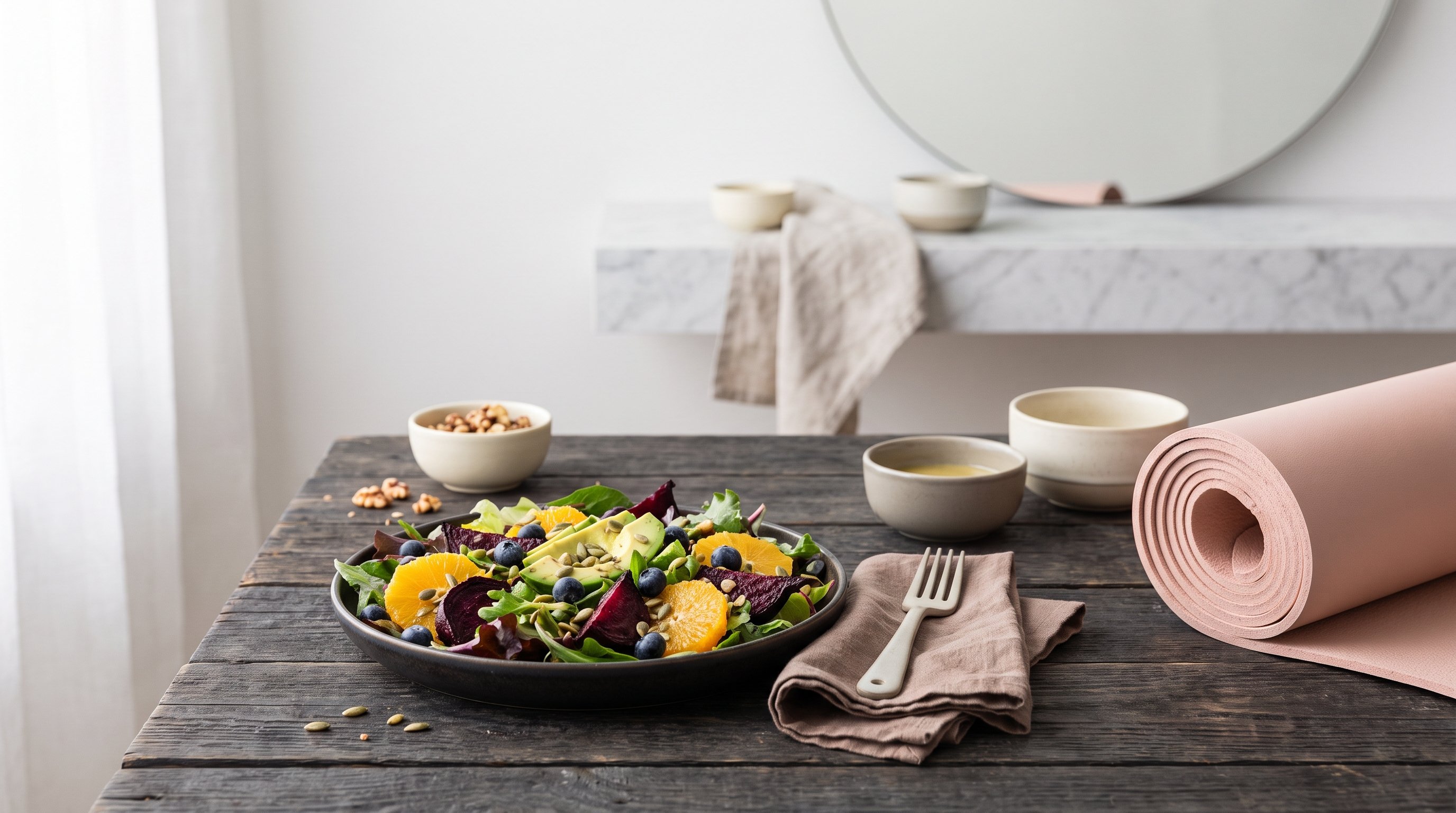
- Do Detox Recipes Actually Work?
- Why This Beats the Harder Alternative
- The Quantity Question: How Much, How Often?
- The Practical Question: What Do You Actually Make?
- Comparison: Detox Recipes Versus Other Approaches
- The Forbidden Promise, Answered Honestly
- Levers That Change the Result
- How Long Until You See Results?
- Your First Four Weeks
- What Stalls Progress
- Why Nord Yoga Works for This
- Final Thoughts
Here's the good news nobody leads with: your liver and kidneys already do the detoxing, every single day, without a juice cleanse or a green powder. What food can actually do is give those organs less junk to process and more of what they need to work well - that's the whole mechanism behind detox recipes.
No recipe flushes anything out overnight. What changes is simpler - fibre, water and plant compounds support digestion and hydration, and that shows up over weeks, not hours.
This guide covers what these recipes can and can't do, how much of them you actually need, a simple four-week plan, and where most people quit before they see anything.
Do Detox Recipes Actually Work?
The word 'detox' gets stretched to mean almost anything, so it helps to be precise about the mechanism. The liver and kidneys filter waste continuously - food doesn't switch that process on, but it can make the process easier or harder depending on what you eat.
A plate heavy in fibre, vegetables and water gives your gut more to work with and less to struggle against, compared with a plate of processed food and little water.
Do the arithmetic on a simple swap. Replace one sugary drink a day with water and you cut roughly 140-150 calories from that single choice - nothing dramatic, but repeated daily across a month that's over 4,000 calories removed from your routine, purely from one healthy habit.
That's the honest version: no organ gets 'cleansed' by a smoothie, but consistent better choices reduce the load your body deals with and support the systems already doing the work.
Why This Beats the Harder Alternative
Compare two approaches: a strict juice cleanse for three days, or a handful of simple nutritious recipes rotated into your week for a month. The cleanse asks for more willpower in a shorter window; the recipes ask for less, spread over more days.
Adherence is the whole game. A recipe you'll actually make on a Tuesday night beats a regimen you can only survive once.

Sessions completed per month beats intensity per session, and the same logic applies to meals - one nourishing breakfast, five days a week, adds up faster than a single extreme day you dread repeating.
The harder alternative also tends to be short-lived by design, which means whatever benefit it offered disappears the moment it ends.
The Quantity Question: How Much, How Often?
There's no single number that fits everyone, but there are reasonable ranges to work from. Most people can start with one nourishing meal a day and build from there.
Find Your Own Number
Start small and track how you feel - energy, digestion, sleep - rather than chasing a figure someone else picked. Add a second similar meal only once the first one is a habit you don't think about.
| Stage | Frequency | Focus |
|---|---|---|
Just starting out | One meal daily | Vegetables plus water |
Building a habit | Two meals daily | Add fibre-rich grains |
Established routine | Most meals | Rotate recipes weekly |
Maintenance mode | As needed | Keep water steady |
The Practical Question: What Do You Actually Make?
The practical answer is boring in the best way - vegetable-heavy soups, water infused with citrus or herbs, oats with fruit, and salads built around leafy greens and beans.
None of these need special equipment or rare ingredients, which is exactly why they're easier to repeat than a cleanse kit.
If you're already trying to eat better for your skin, a meal plan built around food you already like can sit alongside nourishing recipes rather than replacing them - Nord Yoga's customized meal plan feature works this way, matching food choices to what your skin and body actually need.
The point isn't a rigid menu - it's having two or three go-to recipes you'll actually cook when you're tired, which is most days.
Comparison: Detox Recipes Versus Other Approaches
It helps to see the options side by side, because the trade-offs aren't always obvious until you compare them directly.
| Approach | Effort | Sustainable | Cost |
|---|---|---|---|
Juice cleanse | Very high | Rarely | High |
Nutritious recipes daily | Low | Yes | Low |
Supplement pills | Low | Depends | Medium |
Skipping meals | Medium | No | Low |
Balanced weekly meal plan | Medium | Yes | Low |
The Forbidden Promise, Answered Honestly
No detox recipe targets one part of the body - not the stomach, not the face, nowhere. The body doesn't work that way, and any recipe claiming to melt fat from a specific spot is telling you something that isn't true.
There's also no overnight version of this. A green smoothie doesn't clear your skin by breakfast, and no meal reverses years of habits in a weekend.
The real answer is slower and less exciting: consistent water, fibre and fewer processed foods support digestion and how your skin looks over time, but nothing here cures anything or replaces medical care.
Levers That Change the Result
Levers That Change the Result
- Consistency over intensity - a simple recipe made five days a week outperforms an extreme cleanse made once a month.
- Water intake alongside food - fibre needs water to move through your system, so the two work as a pair, not separately.
- Sleep and stress levels - digestion and skin both respond to rest, so a good recipe paired with poor sleep won't show its full effect.
How Long Until You See Results?
This is where most people quit - somewhere in the first couple of weeks, when nothing dramatic has happened yet and the fridge full of vegetables feels like a chore.
Digestive changes tend to show up before skin changes, and skin changes tend to show up before anyone else notices them.

Be vague with yourself about the exact week - focus on whether the habit is sticking, because that's the only thing you actually control.
Your First Four Weeks
Order matters more than perfection here - each week builds on the one before it rather than adding everything at once.
| Week | Focus | Recipe Idea |
|---|---|---|
Week 1 | Swap one drink for water | Simple vegetable soup |
Week 2 | Add one fibre-rich breakfast | Oats with berries |
Week 3 | Rotate in a second recipe | Leafy green salad |
Week 4 | Make it automatic | Repeat your favourites |
What Stalls Progress
Treating It As a Punishment
If every healthy meal feels like a penance for a bad weekend, it won't last. Pick recipes you'd eat even if you weren't 'trying' - that's the only kind that survives a busy week.
Skipping Water While Adding Fibre
More fibre without more water can leave you feeling worse, not better. Keep a glass of water next to every fibre-heavy meal as a simple fix.
All-Or-Nothing Thinking
Missing one day doesn't erase the week before it. Pick the plan back up at the next meal instead of waiting for Monday.
Chasing a Cleanse Instead of a Habit
Short, extreme resets rarely outlast the calendar page they're written on. A recipe you repeat weekly beats a three-day plan you'll never do twice.
Ignoring Sleep and Stress
Digestion slows under poor sleep no matter how good the recipe is. Treat rest as part of the plan, not separate from it.
Why Nord Yoga Works for This
Nord Yoga isn't a detox app, but it fits neatly alongside this kind of habit-building because it's built around the same idea - small, repeatable actions beat big, occasional ones.
The customized meal plan feature matches food to your skin's needs, the progress tracker keeps you honest about what you're actually doing week to week, and the face yoga plans give you a second daily habit that reinforces the first without adding much effort.
Final Thoughts
Detox recipes work best as a quiet, repeated habit rather than a dramatic reset - the body's own systems do the heavy lifting, and food just makes their job easier or harder.
Pick one recipe from this guide, make it this week, and pair it with a small daily habit like Nord Yoga's face yoga plan if you want the same low-effort, high-repeat approach applied to your skin.
FAQ
The liver and kidneys handle that job continuously, with or without a special recipe. What food can do is support digestion and hydration, which makes those organs' work easier rather than replacing it.
Largely, yes - most nutritious recipes are simply vegetable-forward, fibre-rich meals with plenty of water. The word 'detox' sells better than 'balanced meal', but the mechanism is the same.
Start with one simple recipe made two or three times a week rather than aiming for daily from day one. Batch-made soups or overnight oats can cover several days with one session of effort.
That's normal - the first couple of weeks rarely show visible change, which makes the habit feel pointless before it's had time to work. Pairing a food habit with a quick daily routine, like the five-minute plans inside Nord Yoga, gives you something to track that isn't just waiting for your skin to change.
Share this post