Hydration Tips: A Practical Guide That Actually Works
By:Author:Nord Yoga Editorial
Updated on:September 30, 2026

- Does Drinking More Water Actually Work?
- Why This Beats the Harder Alternative
- The Quantity Question: How Much, How Often
- The Practical Question: Fitting It Into a Real Day
- Making It a Habit: What's Useful, What's Arbitrary
- Water Alone vs Water Plus a Routine
- Can Water Fix Puffiness or Fine Lines Overnight?
- Levers That Change the Result
- How Long Until You See Results?
- Your First Four Weeks
- What Stalls Progress
- Why Nord Yoga Works for This
- Final Thoughts
Two litres a day is the number most people have heard, but the real figure depends on body weight, climate and how much you move - and getting it right is simpler than the wellness aisle makes it look.
Water carries nutrients, flushes waste through the kidneys and keeps skin cells plump - skip enough of it and skin looks tired before anything else does.
This guide covers whether hydration actually changes how you look and feel, how much to drink, what stalls progress, and how a few small habits stack with the rest of a skincare routine.
Does Drinking More Water Actually Work?
Skin cells, like every other cell in the body, need water to stay plump and function properly - dehydrated cells shrink slightly, which can make skin look duller and fine lines more obvious.
Here's the honest arithmetic: if you're chronically under-hydrated by even 500 millilitres a day, that's 3.5 litres short across a week - enough for the body to prioritise organs over skin.
Fix the shortfall and skin doesn't transform overnight, but the raw material it needs to look its best is finally available.
Hydration is not a cure for anything and it won't undo years of sun exposure or genetics - it's one input among several, and it works best alongside sleep, movement and food.
Why This Beats the Harder Alternative
The harder alternative is tracking every millilitre, weighing yourself daily, and treating water like a strict regimen with rules to break.
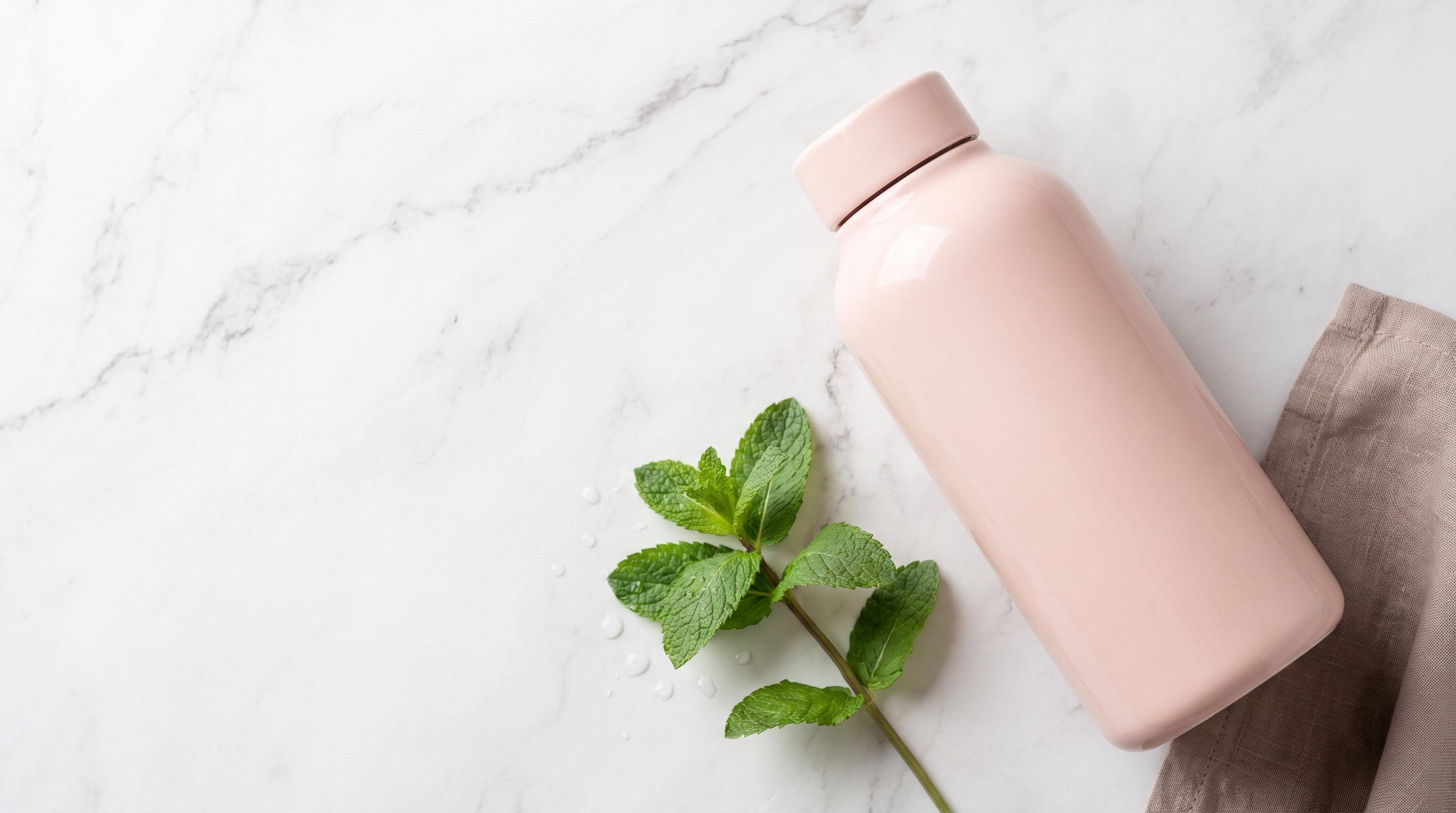
That approach fails fast because nobody sustains a spreadsheet forever - the habit that survives is the boring one: a bottle on the desk, refilled without thinking.
Sessions completed per month matter more than any single perfect day, and the same logic applies to water as it does to movement or face yoga practice.
Simple, repeatable habits beat intense, short-lived ones - a glass with every meal adds up to more consistency than a single litre chugged before bed.
The Quantity Question: How Much, How Often
Most guidance lands around 30 to 35 millilitres per kilogram of body weight per day, adjusted upward for heat, exercise or a high-salt meal the night before.
That means a 60 kg person is looking at roughly 1.8 to 2.1 litres, while an 80 kg person needs closer to 2.4 to 2.8 litres.
Find Your Own Number
Take your body weight in kilograms, multiply by 30, and that's your rough daily minimum in millilitres - round up if the day is hot, active or salty.
| Body Weight | Rough Daily Target |
|---|---|
50 kg | 1.5 to 1.75 L |
60 kg | 1.8 to 2.1 L |
70 kg | 2.1 to 2.45 L |
80 kg | 2.4 to 2.8 L |
90 kg | 2.7 to 3.15 L |
Spread it across the day instead of front-loading it - four to six refills of a 500 mL bottle is easier to remember than one giant jug.
The Practical Question: Fitting It Into a Real Day
The practical problem isn't knowing the target, it's remembering to hit it between meetings, school runs and everything else competing for attention.
Anchoring water to existing habits works better than a standalone reminder - a glass before coffee, one with lunch, one during a face yoga session.
Nord Yoga's guided sessions and meal plan tools give you natural pause points during the day, moments that double as a cue to drink a glass of water before or after you finish.
Stacking a small habit onto a habit you already do is the easiest way to make it stick without adding another task to remember.
Making It a Habit: What's Useful, What's Arbitrary
The eight-glasses rule is memorable because it's easy to count, but it's arbitrary - a glass can be 150 mL or 350 mL, so the total swings wildly depending on the cup.
What's genuinely useful about it is the structure: breaking a big number into small, spaced check-ins throughout the day rather than one large dose.
Use the body-weight formula from the table above for the actual target, and borrow the glass-by-glass rhythm just for the habit-building side of it.
Water Alone vs Water Plus a Routine
The real decision most people face isn't whether to drink water - it's whether to rely on water alone or pair it with habits that support skin and energy together.
Here's how the options stack up side by side.
| Approach | Effort | Consistency | Likely Outcome |
|---|---|---|---|
Water only, no tracking | Low | Often forgotten | Inconsistent skin appearance |
Strict litre tracking | High | Hard to sustain | Good short bursts, drop-off common |
Bottle habit, no plan | Low | Moderate | Steadier hydration over weeks |
Water plus meal plan | Moderate | Higher | Nutrients and fluid working together |
Water plus face yoga routine | Moderate | Higher | Hydration cue built into daily habit |
None of these guarantee a specific result - they simply describe how likely a habit is to stick, and sticking is what makes any of it count.
Can Water Fix Puffiness or Fine Lines Overnight?
No, and anyone promising an overnight change from water alone is overselling it.
Water doesn't target one area of the face or body - the body doesn't work that way, and there's no such thing as spot-hydrating a jawline or a cheek.
What water actually does is support the whole system: circulation, waste clearance and cell function everywhere at once, not in one chosen spot.
The honest answer is that consistent hydration is a background condition for healthier-looking skin over time, not a fix applied the night before an event.
Levers That Change the Result
Not every hydration habit carries equal weight - some levers move the needle more than others.
What Actually Moves the Needle
- Consistency over volume - drinking a steady amount every day beats one huge glass followed by three dry days.
- Pairing water with meals - fluid absorbed alongside food and electrolytes tends to stay in the system longer than water gulped alone.
- Reducing dehydrating habits - excess caffeine or salty snacks without extra water can quietly cancel out the glasses you've already had.
How Long Until You See Results?
This is where most people quit - they expect brighter skin in a day or two and give up when it doesn't show.
Hydration works on a slower timeline than that, closer to weeks of steady habit than days of effort.
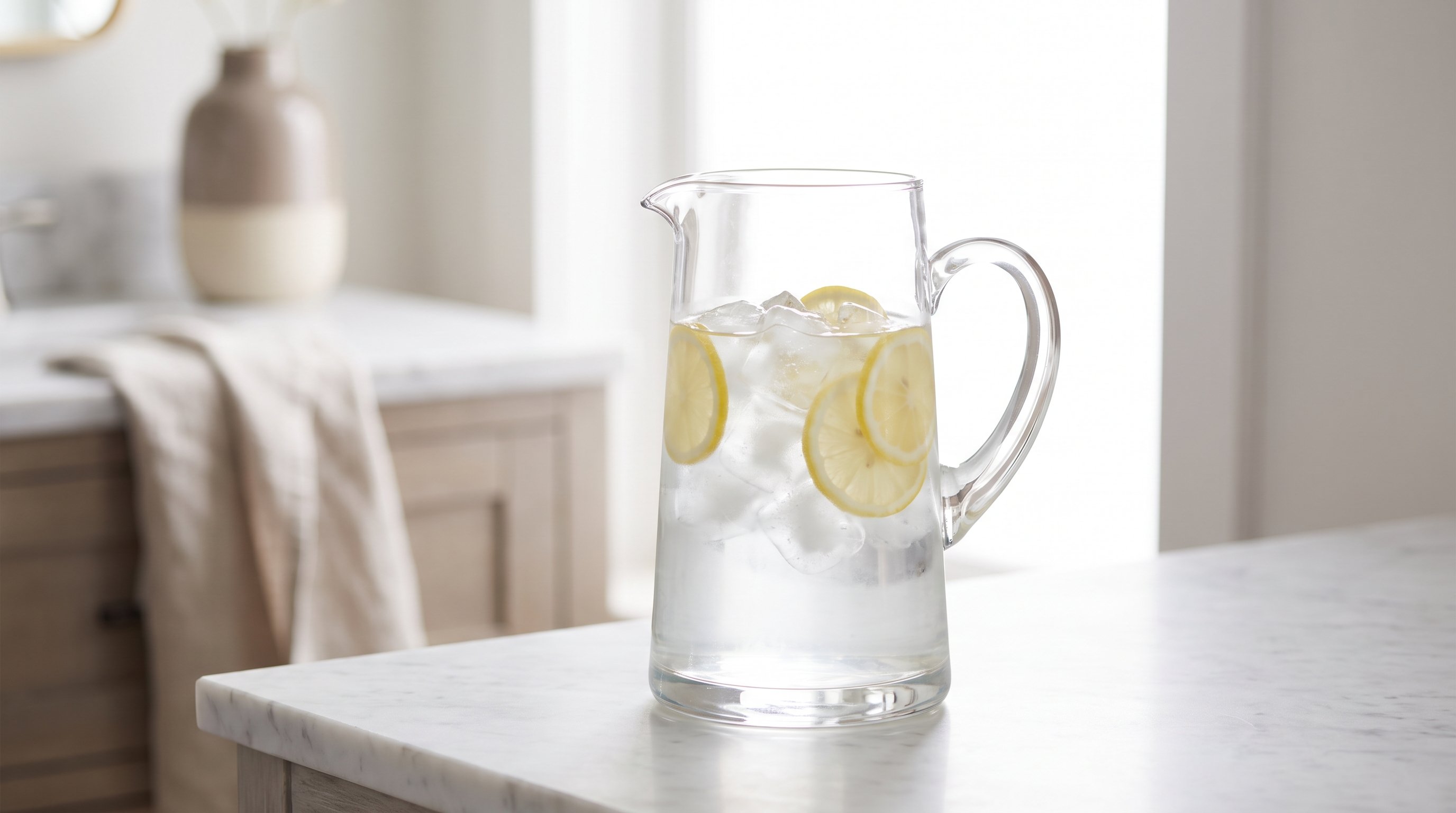
Stay vague about the exact date and focus instead on the habit holding - if the bottle keeps getting refilled, the rest tends to follow on its own schedule.
Your First Four Weeks
Order matters more than the exact numbers here - build the habit before worrying about hitting a perfect target.
| Week | Focus |
|---|---|
Week 1 | Add one extra glass with breakfast |
Week 2 | Keep a bottle visible all day |
Week 3 | Pair water with existing routines |
Week 4 | Adjust total for heat and activity |
By week four the habit should feel automatic rather than effortful - that's the sign it's ready to hold without daily reminders.
What Stalls Progress
Forgetting Until Evening
Front-loading all your water after dinner disrupts sleep and does nothing for daytime dehydration - spread intake across morning and afternoon instead.
Confusing Thirst With Hunger
Thirst signals are easy to mistake for hunger, leading to snacking when a glass of water was what the body actually wanted - try water first when a craving hits between meals.
Relying on Coffee or Tea to Count
Caffeinated drinks contribute some fluid but also increase output, so treat them as a bonus, not a substitute for plain water.
No Visual Cue
Out of sight is out of mind - a bottle left in a bag rather than on the desk gets forgotten by mid-morning.
Expecting a Visible Change Too Fast
Checking the mirror daily for a difference sets up disappointment - the habit needs weeks to show anything, not hours.
Why Nord Yoga Works for This
Hydration works best as part of a wider routine, not as an isolated task competing for willpower.
Nord Yoga brings together a tailored face yoga plan, a meal plan built around your skin's needs, and guided sessions that give the day natural pause points - ideal moments to build a water habit around.
Final Thoughts
Hydration isn't complicated once the target is clear and the habit is anchored to something already part of the day.
Start with the body-weight formula, refill the same bottle a few times, and let a tool like Nord Yoga fold the reminder into a routine that's already sticking.
FAQ
Roughly 30 to 35 millilitres per kilogram of body weight is a reasonable starting point, adjusted up for heat or exercise. Use the table earlier in this guide to find your own rough number.
No - water supports overall skin function but it doesn't target one area or erase existing lines. Think of it as a background condition for healthier-looking skin over time, not a fix.
Anchor it to something you already do, like a glass before coffee or one during a guided session. A visible bottle on the desk works better than one tucked in a bag.
Most people quit because they expect a visible change too soon and give up when nothing shows. Nord Yoga's daily routines give the habit a steady anchor point, which helps it survive the weeks before any difference is noticeable.
Share this post